Gardening Services in Charlton
Gardening services in Charlton should give households and commercial premises a tidy, practical outdoor space without turning the work into a one-size-fits-all routine. Our main service covers regular care and one-off help for gardens that need a clearer structure, neater edges and healthier growth. That can include garden maintenance, lawn care, hedge work and planned clearances where the site has become difficult to manage.
We take a straightforward approach to the different tasks that sit under everyday garden care, from light seasonal refreshes to more involved jobs that restore order. The work can be adapted to the layout of the site, the planting already in place and the level of attention needed. If you are comparing options, you can begin with our services overview and then decide which parts of the garden need the most attention first.
Some gardens need a steady maintenance rhythm, while others only need targeted visits around the times when growth becomes harder to keep under control. Either way, the aim is to leave paths, lawns, beds and borders easier to manage. Clear communication about the area to be worked on helps keep the job focused, especially where access, waste handling or mixed planting affects the schedule. If you would like to move ahead, request a quotation using the contact details on the site.
Regular garden maintenance and tidy-up work
Regular garden maintenance is often the simplest way to keep a property looking cared for without letting small jobs build into larger ones. Our work can include mowing, edging, weeding, deadheading, leaf clearance and keeping the main growing areas presentable through the season. For many customers, the value is not only in appearance but in making the garden easier to use and easier to look after between visits.
Maintenance can also be arranged around the parts of the garden that cause the most routine pressure. Paths may need to remain clear, borders may need attention before plants spread too far, and lawns may need a more disciplined cut to stay even. When a site has a mix of ornamental areas and functional space, we can keep the approach practical rather than overcomplicated. For a fuller picture of the range, the garden maintenance page is a useful place to start.
Tasks that commonly sit within routine care
Typical maintenance work often includes a mixture of visible finishing and ongoing control. A concise way to plan it is to think in terms of what keeps the garden looking orderly week by week. Healthy growth control matters just as much as the final visual finish, especially where hedges, lawns and beds all need different forms of attention. Common tasks include:
- grass cutting and edging for a tidy lawn line
- weeding and border tidying to reduce clutter
- basic pruning and removing spent growth
- leaf and debris collection from hardstanding and beds
Lawn care, edging and hedge work

Lawn care often decides how neat a garden feels at first glance, so it deserves separate attention rather than being treated as an afterthought. In Charlton, we can support lawns with regular mowing and tidy edging that helps define paths, patios and planting beds. Where the grass has grown unevenly or the boundary lines have softened, a more careful cut and finish can make the whole space feel more ordered without changing the character of the garden.
Lawn mowing suits gardens where the grass is a major feature and needs dependable upkeep rather than occasional rescue work. We can also discuss how hedge trimming fits around lawn care, because both tasks affect the overall outline of the space. If hedges are shading the lawn too heavily, or if their growth is beginning to encroach on access points, they may need to be reduced and shaped at the same time. The hedge trimming page explains that service in more detail.
Well-cut hedges and lawns do more than improve appearance. They help with light, access and boundary definition, and they can make later maintenance simpler. A tidy edge also gives planting beds a clearer frame, which makes seasonal growth look intentional rather than untended. We can work on formative shaping, general trimming and straightforward keeping-in-check jobs, depending on what the garden needs.
Garden clearance for overgrown or cluttered spaces
When a garden has become overgrown, the first job is often to restore access and reveal the structure of the space again. Garden clearance can include removing cuttings, stripping back excess growth, clearing dead material and creating a surface that can then be maintained more easily. This is especially useful where the garden has been left unattended for a while, or where repeated smaller jobs are no longer enough to keep it manageable.
Clearance work is usually best approached in stages, because different parts of the garden may need different treatment. Dense borders, tangled hedges, fallen material and awkward corners can all need separate attention. That is why a careful assessment of the site matters more than simply sending in a generic tidy-up crew. Once the excess growth has been reduced, ongoing maintenance becomes much more straightforward and the garden can be brought back into a sensible routine.
If the work includes green waste, the next step is deciding what should be removed, what should be cut down further and what can be left for follow-on maintenance. This is one of the areas where practical planning matters. A clear note about access, size and the areas to prioritise helps shape the visit, but the service itself remains simple: reduce the clutter, improve the layout and make the outdoor space usable again. Please ask for a quotation when you are ready.
Planting, shaping and landscaping work
Some gardens need more than upkeep. They need a smarter layout, a better balance between planting and hard surfaces, or a few changes that improve how the space is used. Our landscaping work can support that kind of improvement where the aim is to make the garden more coherent rather than merely neat. It may involve reshaping beds, adjusting planting areas or creating a clearer structure across the plot. For broader options, see our landscape gardening page.
We can also help where a smaller-scale change is more appropriate than a complete redesign. The advantage of this approach is that the work can be matched to the garden as it stands, rather than forcing every space into the same pattern. Where hard and soft elements need to sit together more comfortably, the work may include pathways, borders, transitions between lawn and planting, or other practical adjustments that make the space easier to enjoy and maintain.
Deciding what type of improvement is most suitable
It is often useful to think about the garden in layers. First comes the basic shape and function, then the surface finish, and finally the planting detail. That order helps avoid unnecessary work and keeps the budget focused on the parts that matter most. In some cases, a simple tidy and reshape is enough; in others, landscape gardening can offer a more lasting improvement because it changes how the space works as a whole.
Decking and outdoor surfaces

Decking can provide a defined sitting or walking area, especially where a garden needs one practical surface to connect different parts of the plot. Our decking services are suited to projects where the aim is to add structure, improve footing or make a bare area more usable. Decking works best when it is planned alongside the rest of the garden, so the finished surface does not feel isolated from the planting, lawn or boundary lines around it.
Surface work needs careful thought about placement, finish and the way water, movement and surrounding features will interact. A deck may need to sit beside a lawn, follow the line of an existing patio or create a level transition where the ground changes. The key is to keep it proportionate to the garden rather than oversized. If you already have a layout in mind, we can discuss how the surface should support daily use without dominating the whole outdoor space.
Where a project combines surfacing with wider garden improvements, the order of work matters. It can be better to complete any clearance or reshaping first, then fit the outdoor surface once the site is ready. That approach helps the finished area sit naturally within the rest of the garden. Ask for a quotation once you have a clear idea of the area that needs work and the result you want to achieve.
Tree and larger growth removal
Gardens sometimes need work that goes beyond neat trimming, particularly where larger growth is taking light, blocking access or making the space difficult to manage. Tree lopping and removal can be relevant when branches have become awkward, when a tree is no longer suitable for its position, or when clearance is needed to recover a usable garden layout. The aim is always to keep the work proportionate to the site and the condition of the growth itself.
Because larger growth affects the whole structure of a garden, it is worth considering the wider impact before work begins. Branches can influence shade, visibility and access, while roots, debris and overhang can affect planting or nearby surfaces. The service should therefore be planned with the rest of the garden in mind, not in isolation. You can read more on the tree lopping and removal page if you want to compare this work with hedge and clearance options.
Where a garden contains both mature planting and newer features, careful judgment matters. The aim is not simply to remove material, but to leave the site balanced and workable afterwards. That may mean reducing selected growth, clearing away cut material and making sure the remaining layout still suits the property. If you are unsure what level of work is needed, a brief description of the problem area is enough to begin the discussion.
How quotations are usually planned
Quotation requests are easier to price fairly when the work is described in practical terms. A garden may need repeated maintenance, a one-off tidy, a focused clearance or a combination of several services. The main factors usually relate to the size of the area, the condition of the growth, access to the site and the amount of waste involved. Where the job is more complex, the work can be broken into sensible stages so the result remains clear and manageable.
If you are preparing to enquire, it helps to identify the main parts of the garden that need attention and whether any sections are more urgent than others. That can include lawns, hedges, borders, surfaces or overgrown corners. A short note is often enough; there is no need to overcomplicate the request. The pricing and quotes page is available if you want to see how we approach this stage before you get in touch.
Useful details to include
When asking for a quote, keep the information direct and relevant. The most useful points are often the ones that help us understand the scale of the task and the access to the site. You can mention, for example, whether the work is regular or one-off, whether any waste needs removing, and whether the garden includes dense growth or straightforward tidy-up areas. This keeps the request efficient without turning it into a long survey.
About Charlton
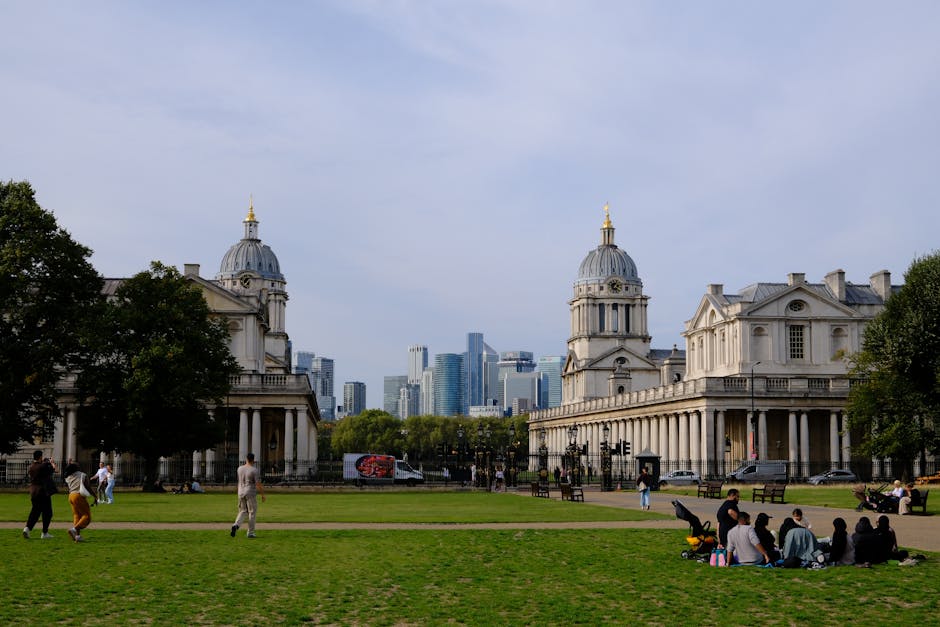
Charlton is a district in south-east London with a long local identity shaped by the Thames, older settlement patterns and later industrial and residential change. It sits within the Royal Borough of Greenwich and is historically associated with Charlton House, one of the area’s most notable early 17th-century buildings. The house, with its Jacobean architecture, stands as a reminder of the district’s older estates and the way the area developed beyond them over time. Nearby, the riverside and former industrial land have also influenced Charlton’s character, creating a place where historic structures, transport corridors and newer housing exist in close relation.
The area is known for a mix of built forms rather than a single uniform streetscape. There are residential roads, local shopping stretches and open spaces that interrupt the urban grain. Maryon Wilson Park and Greenwich Peninsula’s broader riverside context are part of the wider geography people often associate with the district, while Charlton Park and the grounds around Charlton House provide important green relief within the neighbourhood. The area’s topography and transport links have also helped shape how it is experienced, with rail and road connections tying it to neighbouring parts of south-east London. At the same time, the presence of older ecclesiastical and domestic buildings gives Charlton a sense of continuity that sits alongside modern development. About us is not needed here; the place itself has enough history and texture to stand on its own.
Charlton’s cultural identity is closely linked to both everyday local life and the larger historical narrative of Greenwich. It has absorbed centuries of change while retaining landmarks that help define it, including the parish church, surviving period buildings and the open spaces that soften the urban edge. For many people, the district is best understood through this blend of heritage, river influence and ordinary residential use, which gives it a settled but varied atmosphere. As with much of south-east London, the balance between older architecture, public green space and modern infrastructure is part of what makes the place distinctive.
Recycling, waste handling and finishing touches
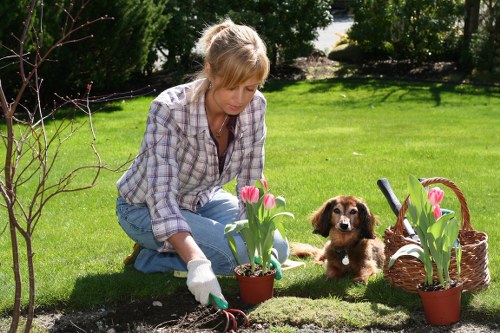
Once the main garden work is complete, the finishing stage often decides how polished the result feels. Cuttings, prunings and cleared debris should be dealt with in a tidy and responsible way, especially after heavier maintenance or clearance. Where appropriate, green waste can be separated from other material, and the site can be left ready for the next round of routine care. This is particularly important after pruning, hedge work or overgrowth reduction, because the finish matters as much as the cut itself.
Responsible handling of waste also supports a more efficient working method. If the garden is left clear of loose material, follow-up tasks become easier and the layout is much simpler to maintain. That applies whether the job is a lawn tidy, a hedge reduction, a clearance visit or a broader landscaping task. You can find out more about our approach on the recycling and sustainability page if you want additional detail on how waste and reusable material are considered.
Once the site has been cleared and shaped, the final check is usually practical rather than decorative: edges are even, access is open and the main features of the garden are easy to see and use. That last stage is what makes the earlier work worthwhile. If you are ready to plan your own job, this is a good time to request a quotation and outline the areas you want treated.
Next steps for your garden
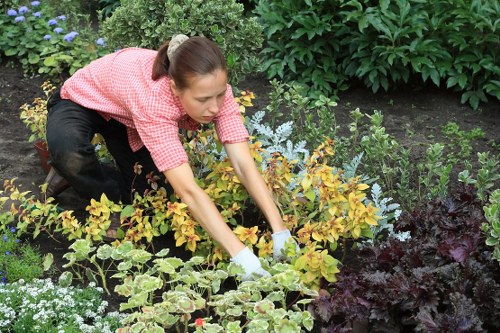
If your garden in Charlton needs regular maintenance, a one-off tidy, hedge work, clearance or a larger improvement, our service can be matched to the parts of the site that need attention first. We focus on practical results: neater boundaries, more manageable growth, clearer access and a better-finished outdoor space. For people comparing a few service types, it often helps to decide whether the job is mainly upkeep, recovery or reshaping.
Before you send an enquiry, think about the areas that matter most, the level of cutting or clearing required, and whether you want one visit or a continuing arrangement. That is usually enough to start a useful conversation. If you would like to review the wider service range again, return to the services overview or the individual pages for mowing, hedges, clearance and landscaping. A concise brief helps us focus on the right work from the start.
Request a quotation today and tell us what needs doing in your garden. If you want the simplest route, use the contact page on the site and outline the main tasks in a few lines. We will then be able to consider the scale of the work and prepare a suitable response.